Installation Method of Transparent Roof Corrugated Sheet
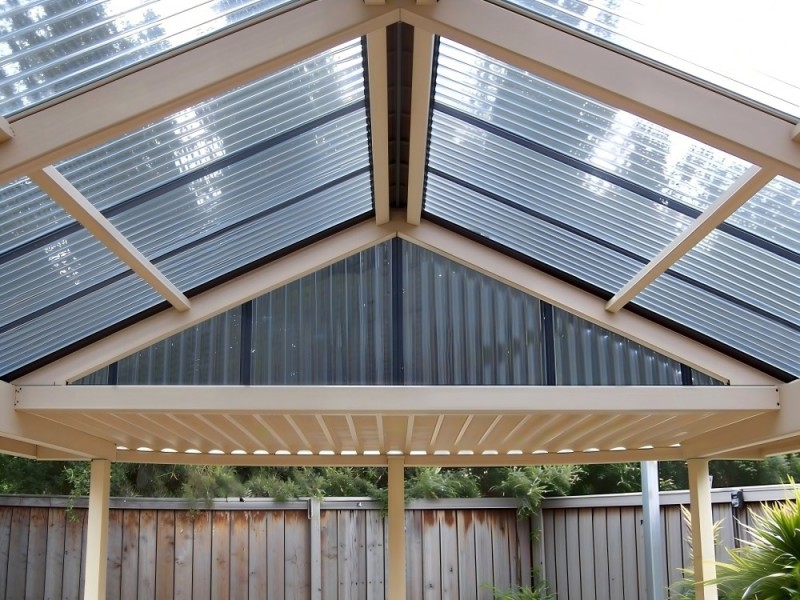
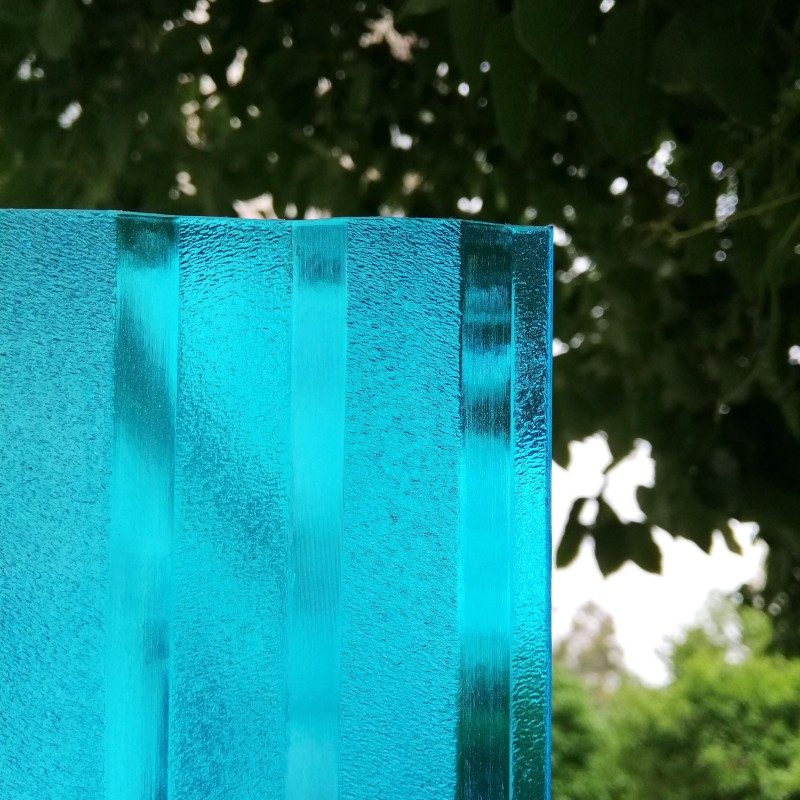
Transparent PC corrugated sheet, also known as transparent corrugated sheet, is manufactured from polycarbonate raw material.
Polycarbonate features high light transmittance, superior impact resistance, wide temperature tolerance (high-temperature resistance and low-temperature resistance), and excellent anti-aging performance, which makes it widely recognized and favored in the construction material industry.
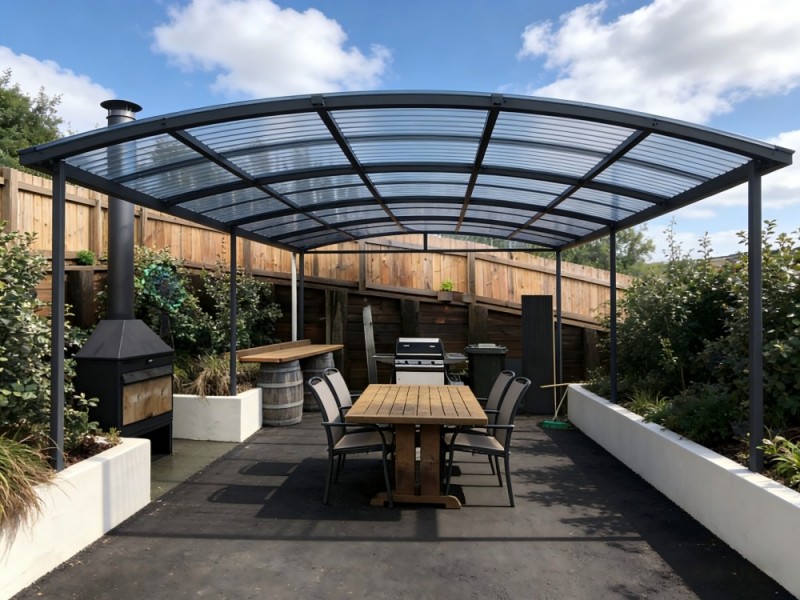
As a cost-effective, easy-to-install daylighting panel, PC corrugated sheet adopts a corrugated profile structure. This structural design improves its rigidity, simplifies on-site installation, and facilitates overlapping jointing to achieve reliable waterproof performance. It features low self-weight, so it does not require heavy steel substructure support, delivering outstanding energy-saving effects.
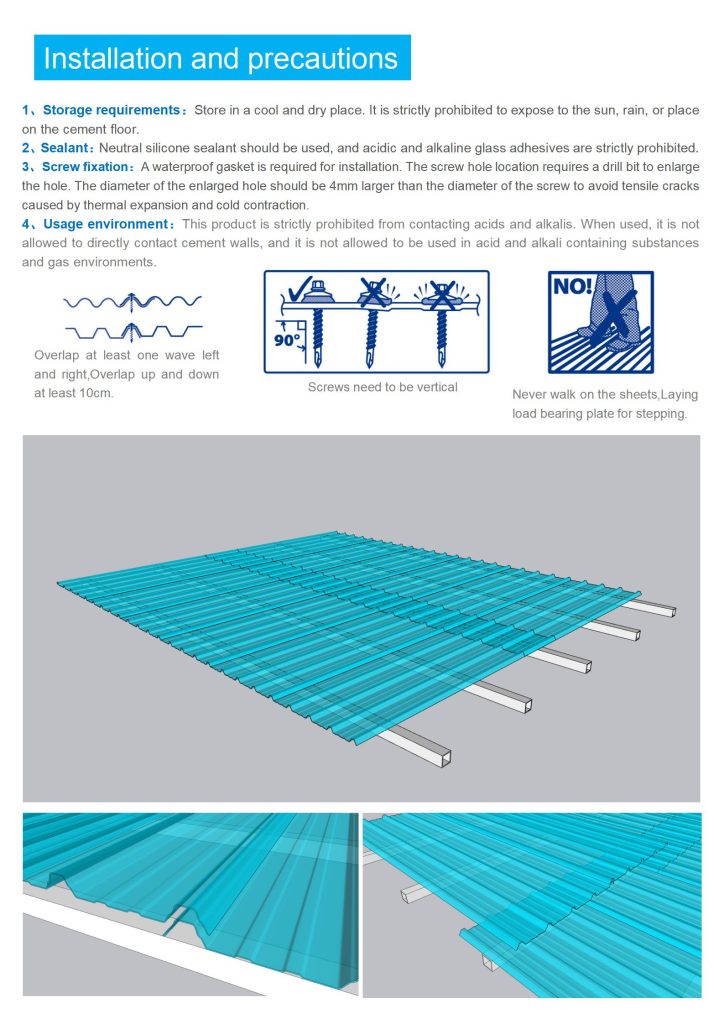
Key Notes for Installing PC Corrugated Sheet
- For lap joints of corrugated sheets, the upper sheet shall overlap the lower sheet to guarantee smooth drainage. The recommended overlap length is no less than 150 mm, fixed with saddle clips. The minimum roof slope is 15°.
- The purlin spacing shall be controlled within 1000 mm. For northwest and northeast regions with high snow load and wind load, the purlin spacing shall be reduced to within 700 mm.
- For 1.0 mm thick corrugated sheet: recommended purlin span ≤ 600–700 mm
- For 1.5 mm to 2 mm thick corrugated sheet: recommended purlin span ≤ 800 mm
- For 2.0 mm thick corrugated sheet: recommended purlin span ≤ 900 mm
- When fastening PC corrugated sheet with self-tapping screws, pre-drilling is mandatory. Special EPDM waterproof buffer gaskets shall be fitted for every screw. The hole diameter shall be 20% larger than the screw shank diameter. Do not over-tighten the screws, as excessive clamping force will induce internal stress, resulting in local cracking, deformation of the sheet surface and subsequent water leakage.
- Sheet overlapping arrangement shall take roof slope and local prevailing wind direction into consideration. The corrugated sheets shall be laid in the direction opposite to the annual prevailing wind, meaning the exposed side of the sheets shall face against the prevailing wind, to prevent wind-driven rain from penetrating the lap joints.
- Only neutral silicone sealant is permitted for sealing works. Acidic or alkaline sealants are prohibited, as they will cause chemical degradation and stress cracking of polycarbonate substrates.
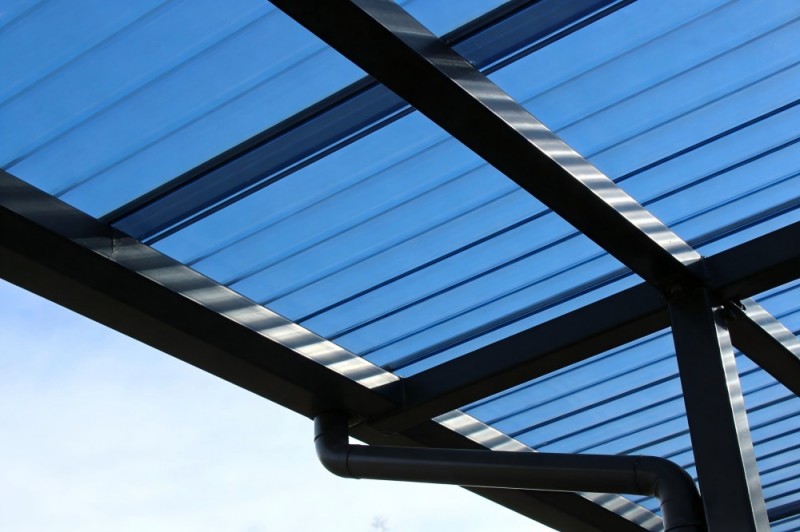
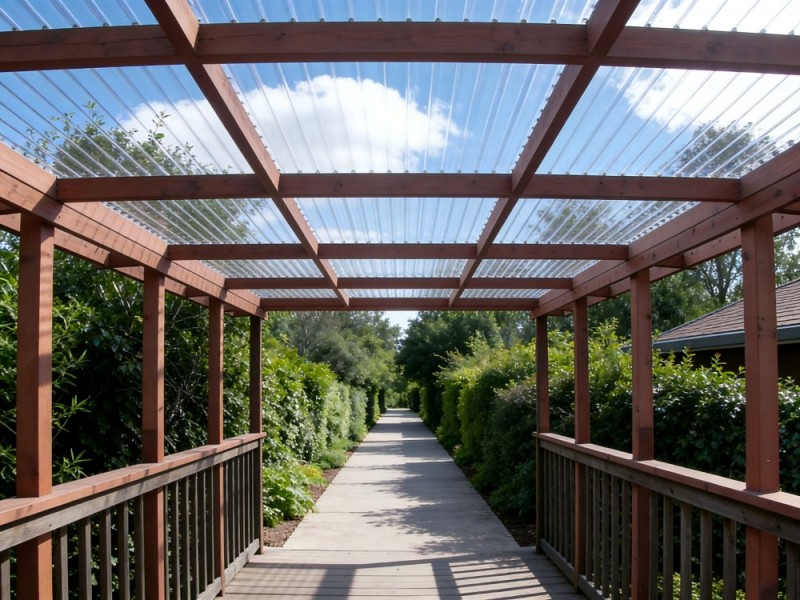
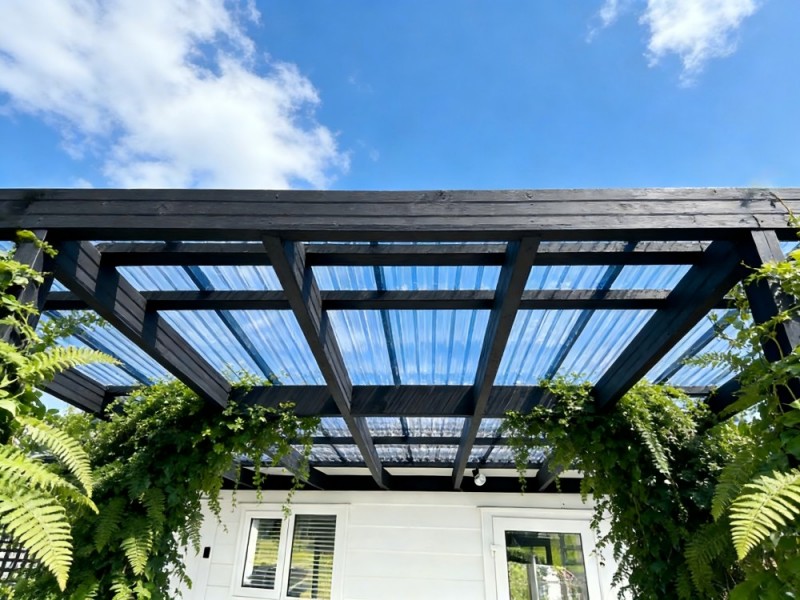
Corrugated sheets have grown popular in many commercial and residential roofing applications. They are available in a wide range of materials, designs and colours, so you need to pick the right one. For example, you may choose metal sheets if you want to build a shed for your factory; ceramic tiles for your house roof; and polycarbonate corrugated sheets for greenhouses, patios or any other home extensions. While roofing made of metal or ceramic usually requires professional installation, you can fit polycarbonate roof panels on your own. It is not only simple but also creative and fun. Let us walk you through this DIY project.
Laying the corrugated sheets
You need to position the corrugated sheets at the correct angle for proper roofing installation. This is the very first and critical step for your DIY roof. The roof pitch should be at least 10°. Two other key points must be observed when laying corrugated sheets. First, place the polycarbonate panels with the UV-protected side facing the sun; otherwise, they cannot block harmful UV radiation.
Supports
Timber battens or metal frames can be used as the substructure. To avoid heat buildup, the support surfaces should be painted white. The spacing between supports should be kept at approximately 80 cm.
Cutting and drilling
A fine-tooth saw or circular saw is all you need to cut polycarbonate corrugated sheets. A circular saw works better for corrugated panels. Cutting polycarbonate corrugated sheets produces no toxic debris and is therefore safe. For extra protection, you may wear goggles and a face mask. You will also need to drill holes on the sheets. The holes should be 3–4 mm larger than the screw diameter to allow the corrugated sheets to expand and contract freely with temperature changes.
Fastening corrugated sheets with screws
Screws must be fixed on the crests of the corrugated sheets instead of the troughs. Fasten all overlapping sections, and drive one screw every 2–3 crests. For end overlaps between upper and lower corrugated sheets, the overlap length shall be no less than 150 mm.
If you carefully follow the instructions and measurements, you will find it easy to install corrugated polycarbonate roofing. Good luck with your DIY project!