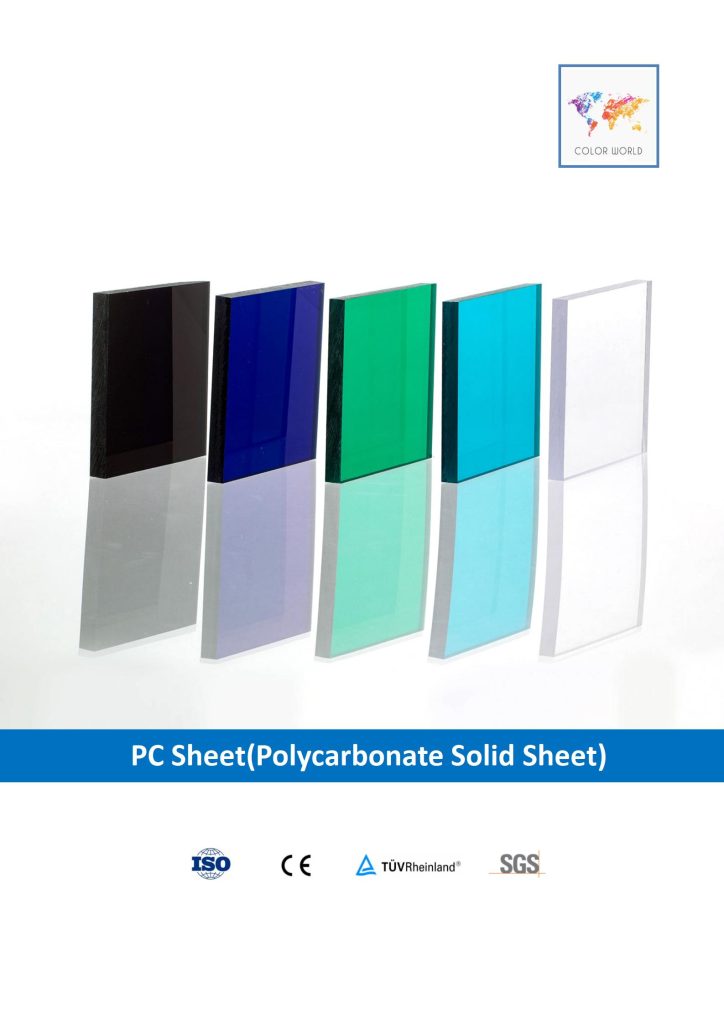
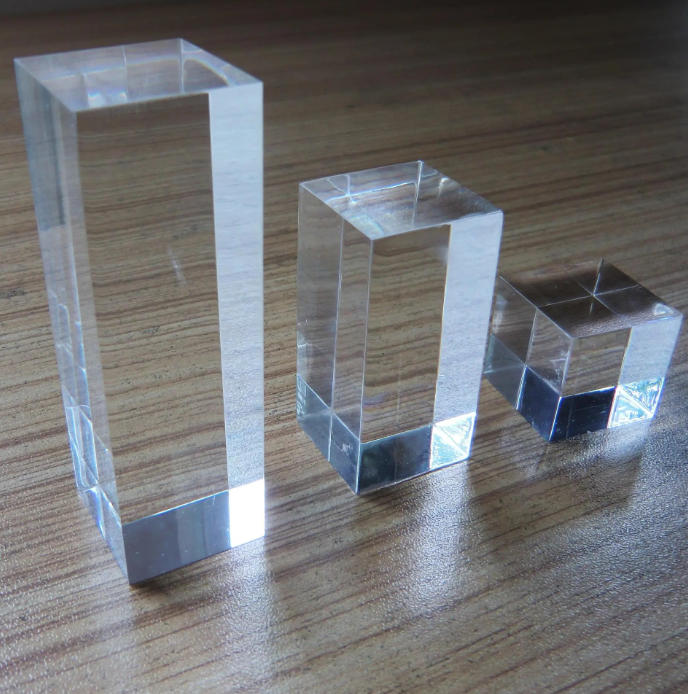
Differences Between Polycarbonate Solid Sheet and Acrylic (PMMA)
In short, although Polycarbonate Solid Sheet and acrylic look nearly identical, they differ in raw‑material composition, price and application scenarios. Polycarbonate Solid Sheet is shatter‑resistant while acrylic is prone to cracking. Polycarbonate Solid Sheet costs slightly more than acrylic. The maximum working temperature for Polycarbonate Solid Sheet is ≤120 °C, whereas for acrylic it is ≤70 °C. Polycarbonate Solid Sheet can be cold‑formed, but acrylic can only be hot‑formed.
Acrylic sheets and Polycarbonate Solid Sheet are widely used in daily life. You may not realize that photo frames are often made of acrylic, and roadside light‑box signs may use Polycarbonate Solid Sheet. How can you tell them apart? Below is a detailed comparison.
Introduction to Acrylic
Also known as PMMA or organic glass, its chemical name is polymethyl methacrylate. As an important polymer plastic material, it features excellent light transmittance, chemical stability and weather resistance. It is easy to dye and process and delivers an attractive appearance. It is widely applied in the construction sector. Organic‑glass products fall into cast sheets, extruded sheets and moulding compounds. The Chinese term “acrylic” derives from the English word “acrylics”.
Applications of Acrylic
Acrylic‑based products include acrylic sheets, acrylic pellets, light boxes, signage, bathtubs, artificial marble, acrylic resin, acrylic coatings and acrylic adhesives. Most common acrylic products are thermoformed and extruded from acrylic pellets.
Performance Characteristics
- Low‑density lightweight material: density ranges from 1.19‑1.20, half the weight of ordinary glass and 43 % of aluminium.
- Excellent electrical insulation: suitable high‑frequency insulating material for radio‑instrument industries.
- Outstanding light transmission: light transmittance exceeds 92 %, over 10 % higher than ordinary glass, presenting crystal‑like texture and gloss.
- Moisture‑proof, water‑resistant, mildew‑resistant, antibacterial and corrosion‑resistant.
- Impact resistance is 16 times that of ordinary glass. It outperforms regular glass but is far inferior to Polycarbonate Solid Sheet.
Classification of Acrylic Sheets
- By production process: cast sheets and extruded sheets.
- By light transmission: transparent sheets, translucent sheets (including coloured black‑and‑white sheets).
- By performance: impact‑resistant sheets, UV‑resistant sheets, coloured sheets, general‑purpose sheets and special sheets such as high‑impact sheets, flame‑retardant sheets, frosted sheets, metal‑effect sheets, high‑wear‑resistant sheets and light‑guide sheets.
Acrylic Moulding Processes
Common industrial processes include casting, injection moulding, extrusion and thermoforming.
- Casting: mainly for thick acrylic sheets (10 mm and above), rods and other profiles. Cast acrylic sheets boast high rigidity, mechanical strength and superior chemical resistance, supporting diverse colour options.
- Injection moulding: processes acrylic pellets on injection‑moulding machines. Acrylic pellets show poor fluidity, so mould systems shall adopt large gates with smooth cavity and runner surfaces. Post‑moulding annealing is required to release internal stress.
- Extrusion: converts acrylic pellets into sheets, rods and tubes. Extruded acrylic products feature lower molecular weight, hence weaker mechanical properties, heat resistance and solvent resistance. This process delivers high production efficiency and flexible workpieces suitable for bending and thermoforming.
Is Acrylic Sheet PVC?
Acrylic and polyvinyl chloride (PVC) are completely different materials. PVC sheet is made from PVC raw material, often used as vacuum‑formed decorative film for panels in construction, packaging and medical industries.
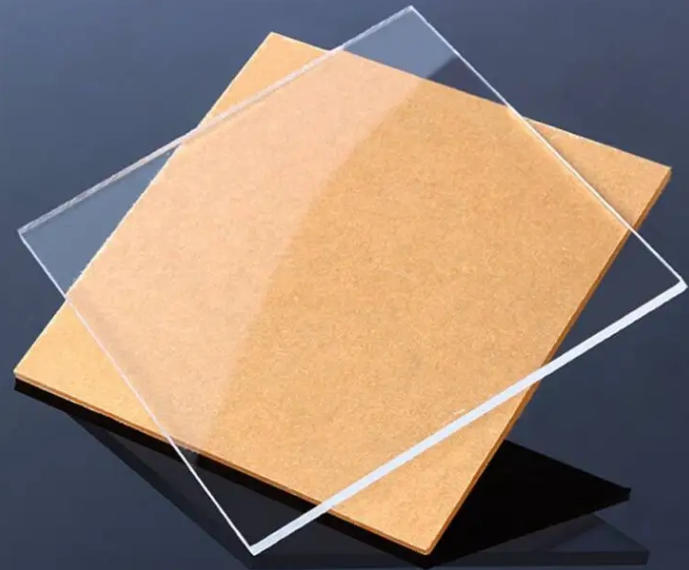
Important Precautions for Acrylic
- Acrylic sheets shall not be stored or come into contact with organic solvents.
- Protective films and papers must remain intact during transportation.
- Do not use acrylic in environments above 85 °C.
- Clean only with 1 % soapy water and soft cotton cloth. Avoid hard dry wiping to prevent surface scratches.
- Acrylic has a large thermal‑expansion coefficient; expansion gaps must be reserved to accommodate temperature changes.
Thanks to its good properties, rich colour palette and flexible shaping capability, acrylic brings new possibilities to furniture design and market development.
Introduction to Polycarbonate Solid Sheet
Manufactured via co‑extrusion technology with polycarbonate as the main component.
Polycarbonate Solid Sheet resists neutral oil but is vulnerable to acids and alkalis.
Base polycarbonate has poor natural anti‑ageing performance. For outdoor use, sheets with double‑sided 50‑micron UV‑protective coating are required to extend service life. Polycarbonate Solid Sheet offers glass‑like light transmission; light transmittance and colour can be customised. It weighs half as much as glass of equal thickness, and its impact strength is 30 times that of tempered glass.
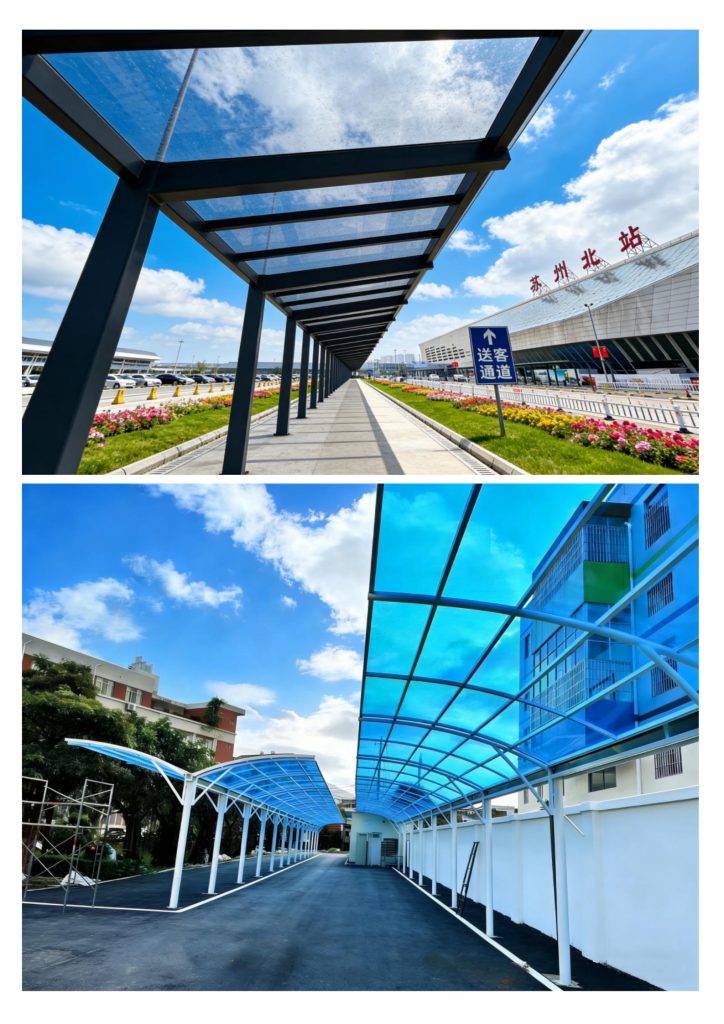
Typical applications: shatter‑proof canopy panels, billboard panels, machined mechanical panels, alternatives to glass, shelter roofs, machine view windows, shields, interlayers for bullet‑proof glass, advertising boards and architectural daylighting.
Both materials are transparent plastics. Acrylic sheet has about 3 % higher light transmittance (close to 90 %) than Polycarbonate Solid Sheet at equal thickness; the difference is barely perceptible to naked eyes.

Three core distinctions:
- Heat resistance: acrylic softens at approximately 70 °C; Polycarbonate Solid Sheet remains stable up to 120 °C.
- Impact resistance: Polycarbonate Solid Sheet is 30‑50 times more impact‑resistant than acrylic.
- Combustion performance: Polycarbonate Solid Sheet reaches UL94‑V2 rating; acrylic is non‑flame‑retardant.
Tags:
Polycarbonate Solid Sheet
Acrylic Pmma
Transparent Plastic Sheet
Building Daylighting Material
Impact Resistant Panel
![[Calculator] PC Solid Sheet Weight & Volume](https://www.polyroofs.com/wp-content/uploads/2026/06/Polycarbonate-Solid-Sheet2.jpg)
![[Calculator] Wind and snow load](https://www.polyroofs.com/wp-content/uploads/2026/06/Polycarbonate-Canopy-Roof4.jpg)
![[Calculator] coefficient of linear expansion](https://www.polyroofs.com/wp-content/uploads/2026/06/Softlite-PC-Corrugated-Sheet1.jpg)