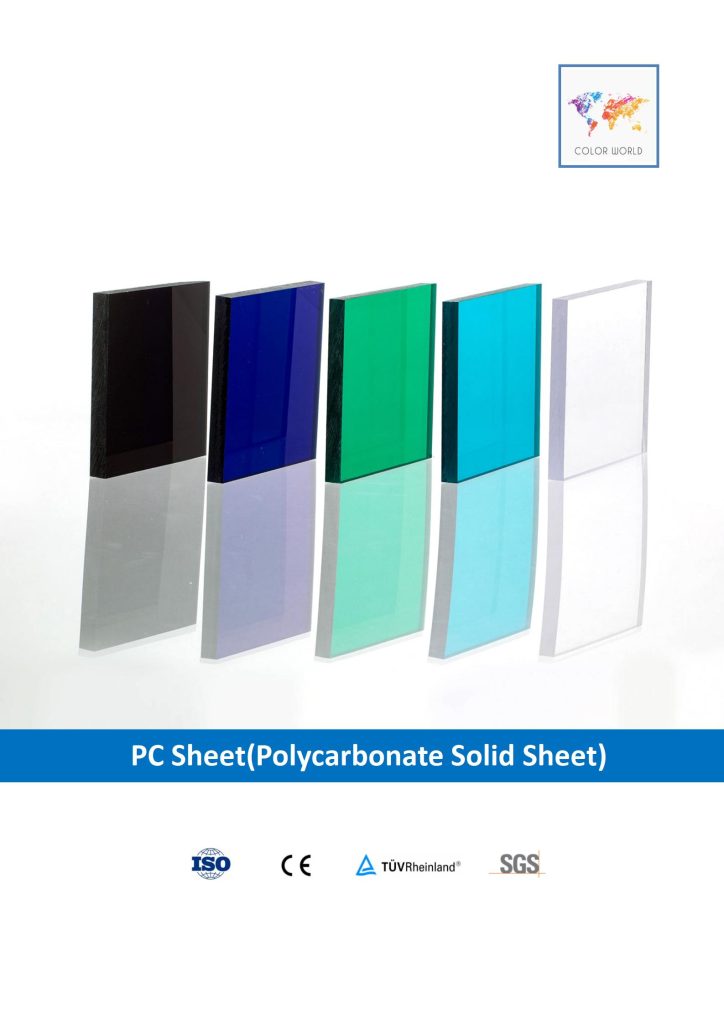
Scenario 1: Cracks appear on the Polycarbonate Solid Sheet canopy the day after new installation
Cracks on Polycarbonate Solid Sheet canopy There are two main causes for cracks in this scenario: one is improper screw driving operation (the core factor is that Polycarbonate Solid Sheet is sensitive to notches); the other is wrong selection of sealant (Polycarbonate Solid Sheet has poor resistance to acid and alkali corrosion).
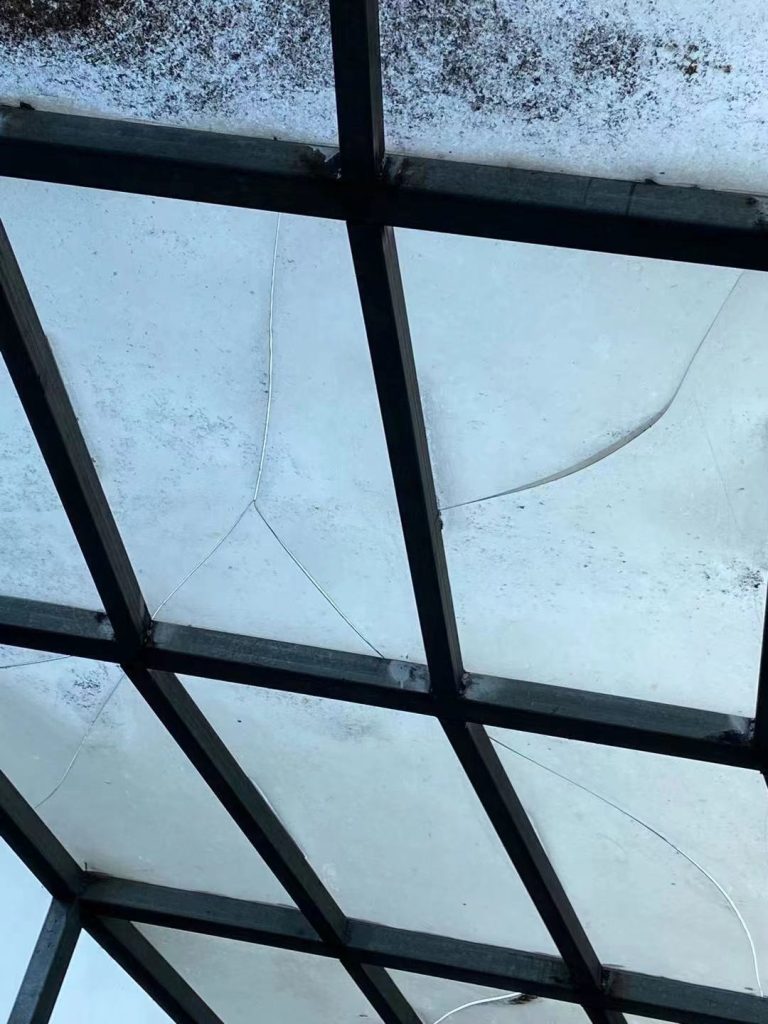
1. Cracks caused by improper screw driving
Although Polycarbonate Solid Sheet is sturdy, it is extremely sensitive to notches. Specifically, if there are notches on the edge of the sheet (such as chipping or burrs), cracks will extend along the notches under stress and eventually lead to sheet cracking (see the diagram of chipping). Notches are mainly generated by poor cutting, which directly causes chipping or burrs on sheet edges.
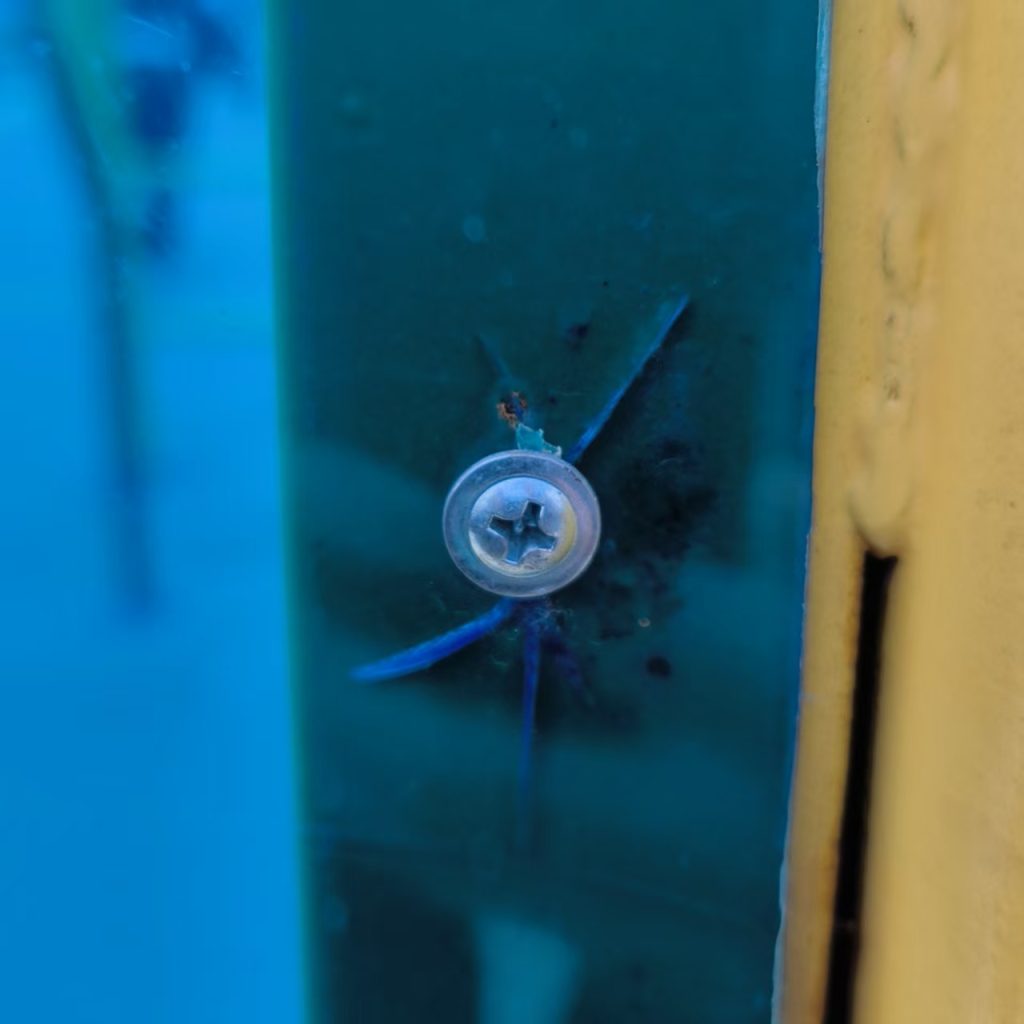
Self-tapping screws driven directly into Polycarbonate Solid Sheet will result in cracking
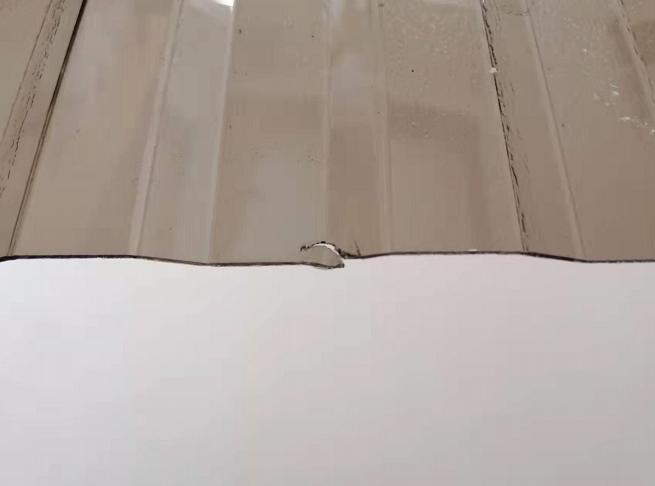
Notches on sheet edge
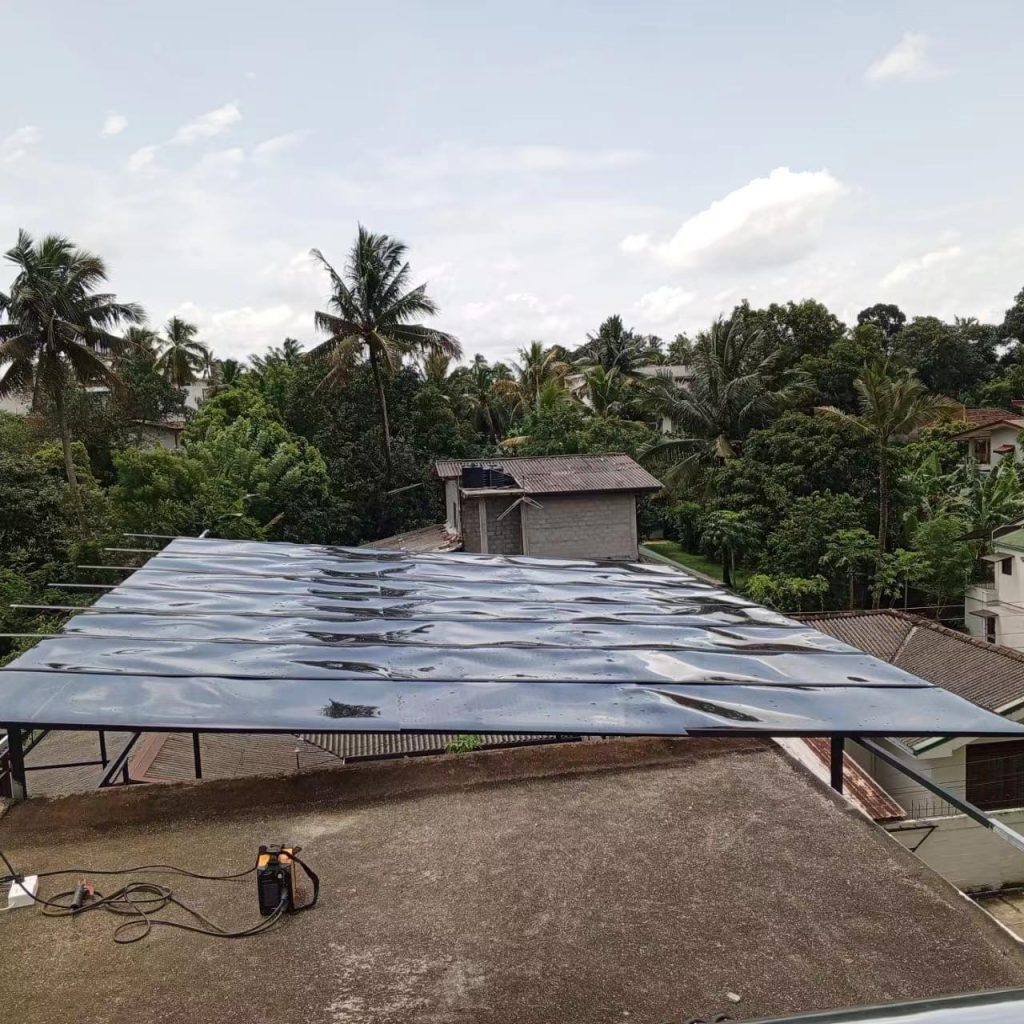
Thermal expansion and cold contraction lead to unevenness of the sheet surface, tearing the Polycarbonate Solid Sheet
The following operations can avoid notches on the sheet:
- When cutting Polycarbonate Solid Sheet, always keep the sheet edge smooth to prevent small fractured notches;
- If screws are required for fixing (screw fixing is not recommended for curved Polycarbonate Solid Sheet canopies), pre-drilled enlarged holes are mandatory. The size of enlarged holes must be strictly controlled. For example, if the screw diameter is 5mm, the enlarged hole diameter should be increased by 4mm to 9mm, and the edge of the enlarged hole must be smooth without small notches after reaming.
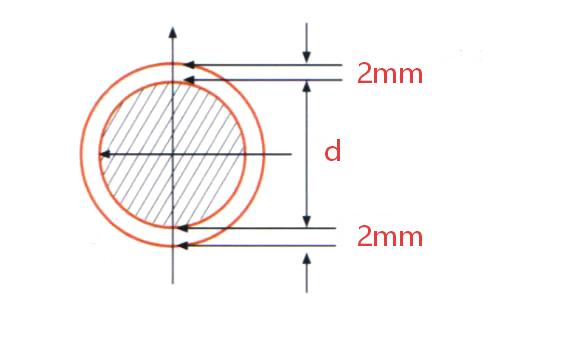
Diagram of reaming
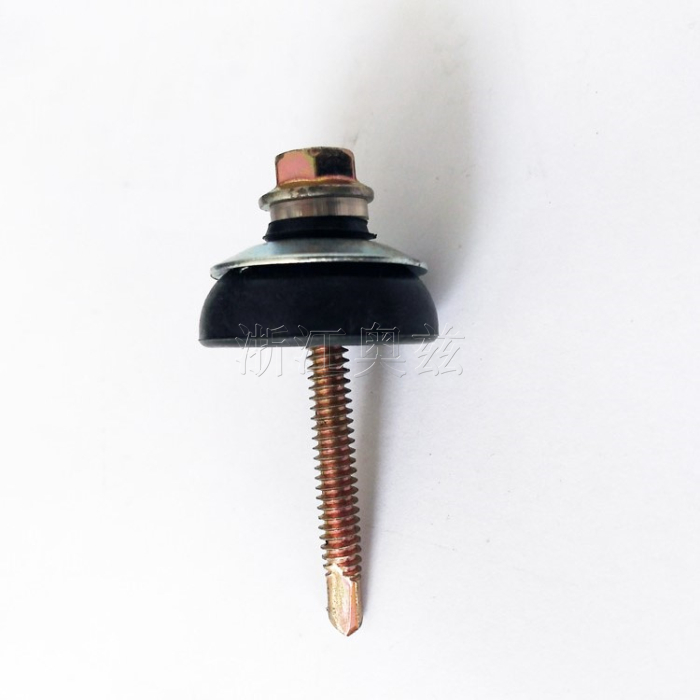
EPDM gasket
In addition, when installing Polycarbonate Solid Sheet canopies with screws, waterproof screws with EPDM buffer rubber must be used (see the installation diagram of enlarged holes for Polycarbonate Solid Sheet). Such buffer waterproof gaskets can effectively prevent sheet breakage caused by over-tight locking between screws and sheets.
2. Cracks caused by improper selection of sealant
A notable property of Polycarbonate Solid Sheet is its vulnerability to acid and alkali corrosion. Therefore, regular-brand neutral silicone sealant must be adopted for sealing. Any sealant with acid or alkali corrosivity will make Polycarbonate Solid Sheet brittle and further result in cracking.
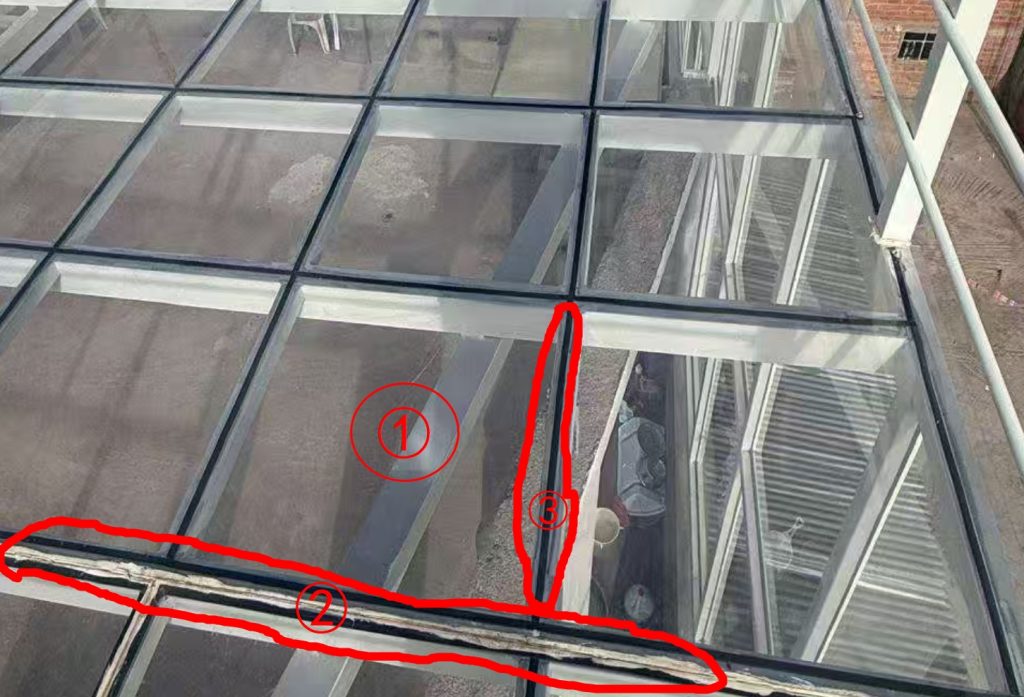
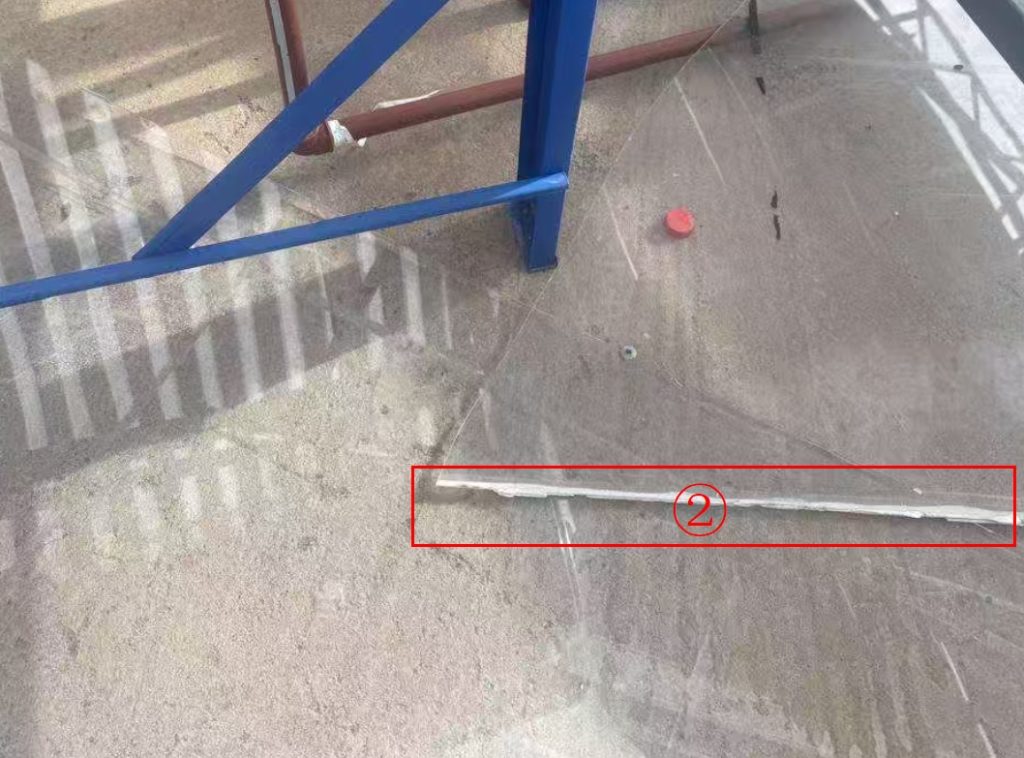
Practical case: A customer reported that cracks appeared on the Polycarbonate Solid Sheet the next day after installation. After troubleshooting, the root cause was ordinary door and window sealant, which corroded the Polycarbonate Solid Sheet and made the sheet brittle.
The customer verified via hammer test:
① No fracture at the middle area of the sheet without glue;
② Fracture at the position with white glue (ordinary door and window sealant);
③ No fracture at the position with black glue (neutral silicone sealant).
Scenario 2: Cracks appear on canopies installed for two years, accompanied by aging or yellowing
The core cause of cracks in this case is aging of Polycarbonate Solid Sheet. Two common direct inducements for aging are as follows: first, purchasing Polycarbonate Solid Sheet made from recycled materials; second, using Polycarbonate Solid Sheet without UV coating, which accelerates aging due to lack of ultraviolet protection.
Scenario 3: Cracks still occur even though no screws are driven directly on the sheet surface
This happens because the joint gap between sheets is too narrow during installation. Screws damage the edge of the sheet, leading to notch cracking during thermal expansion and cold contraction.
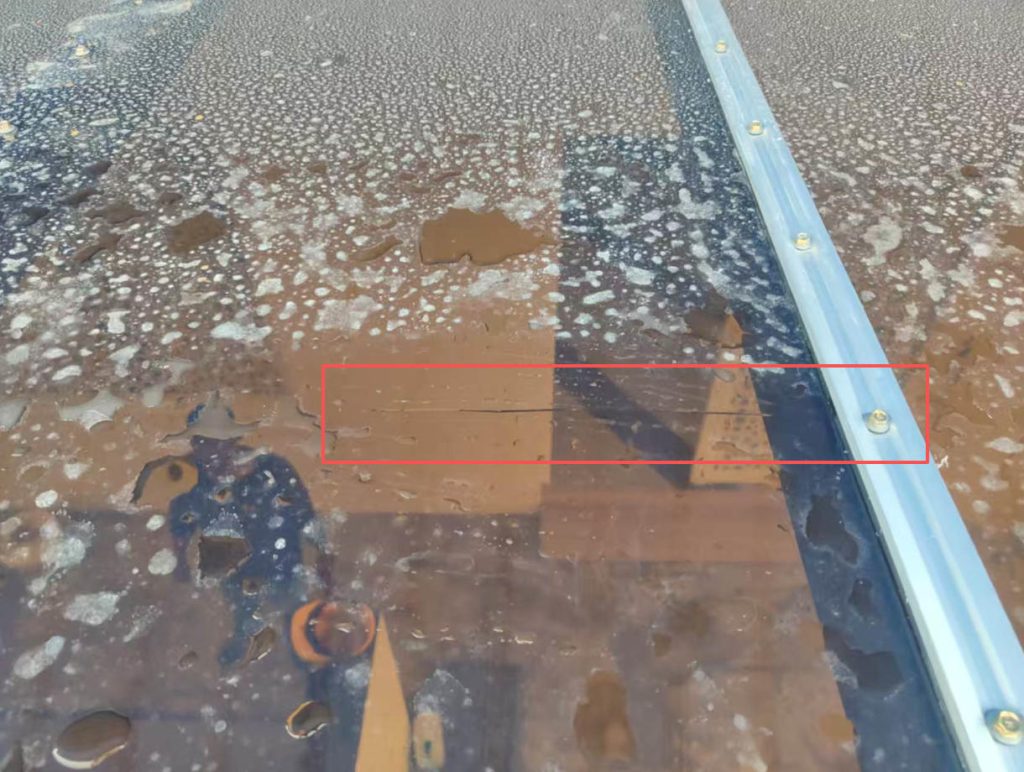
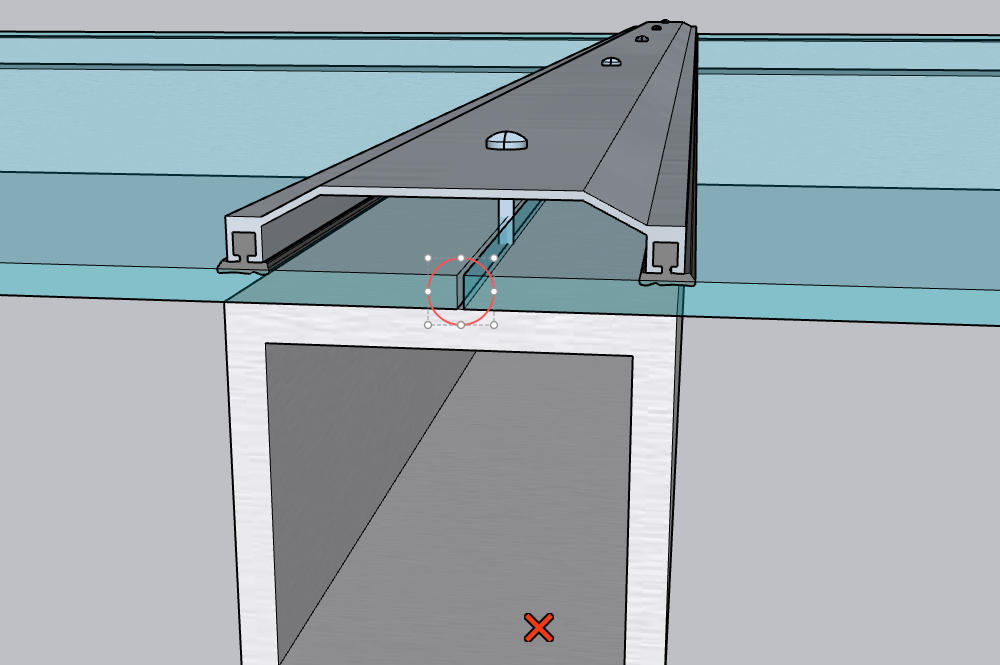
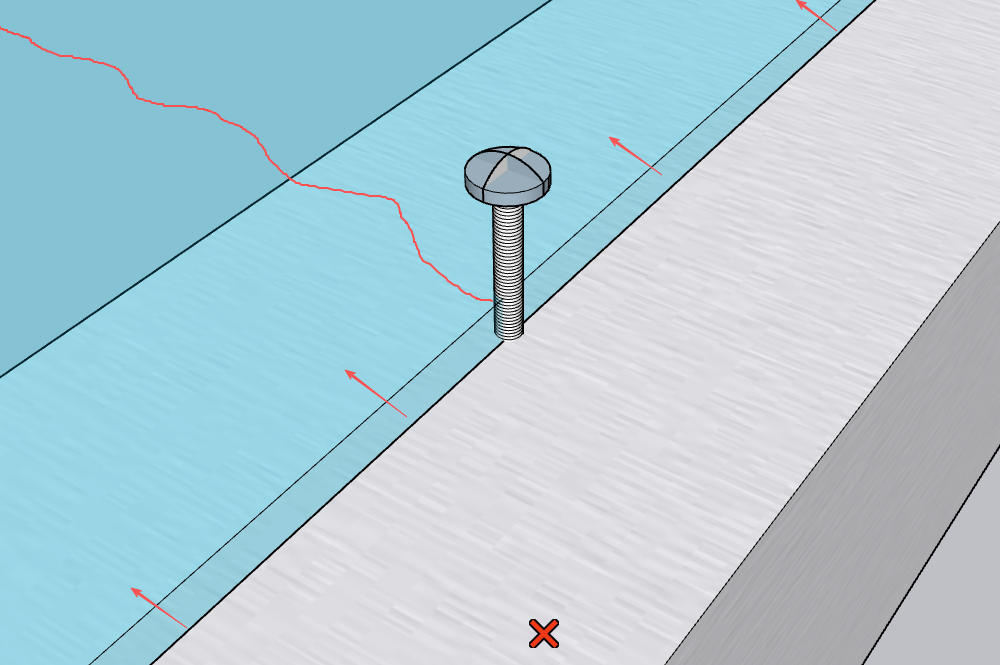
The gap between two adjacent Polycarbonate Solid Sheets is too small. The sheet edge is damaged by screws to form notches and trigger cracking.
Formula for correct spacing = Sheet width(M) ×6 + Screw diameter(mm)
Key Notes for Installation and Application
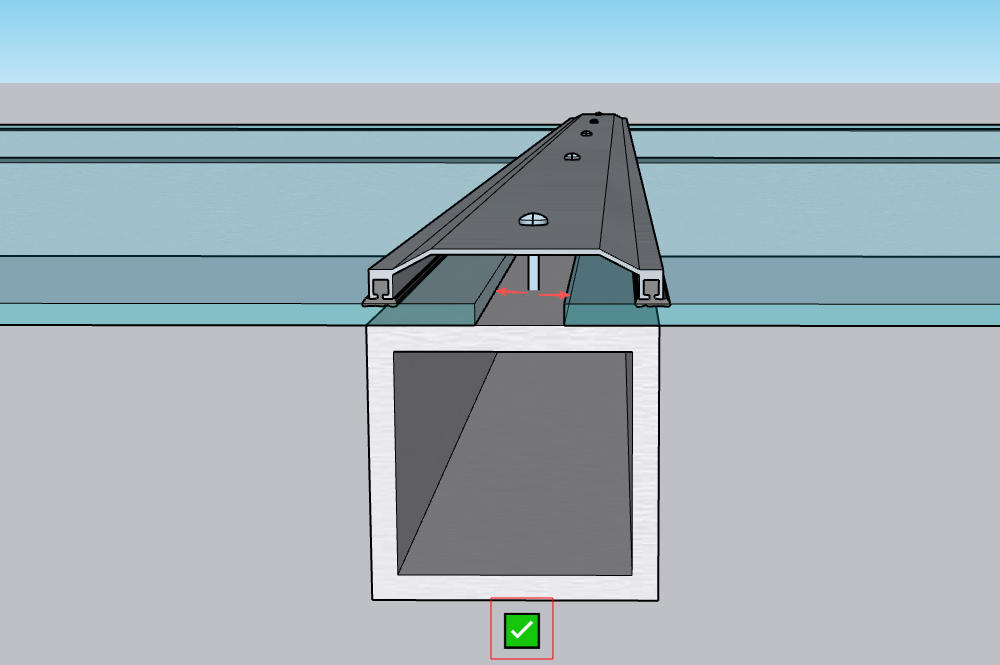
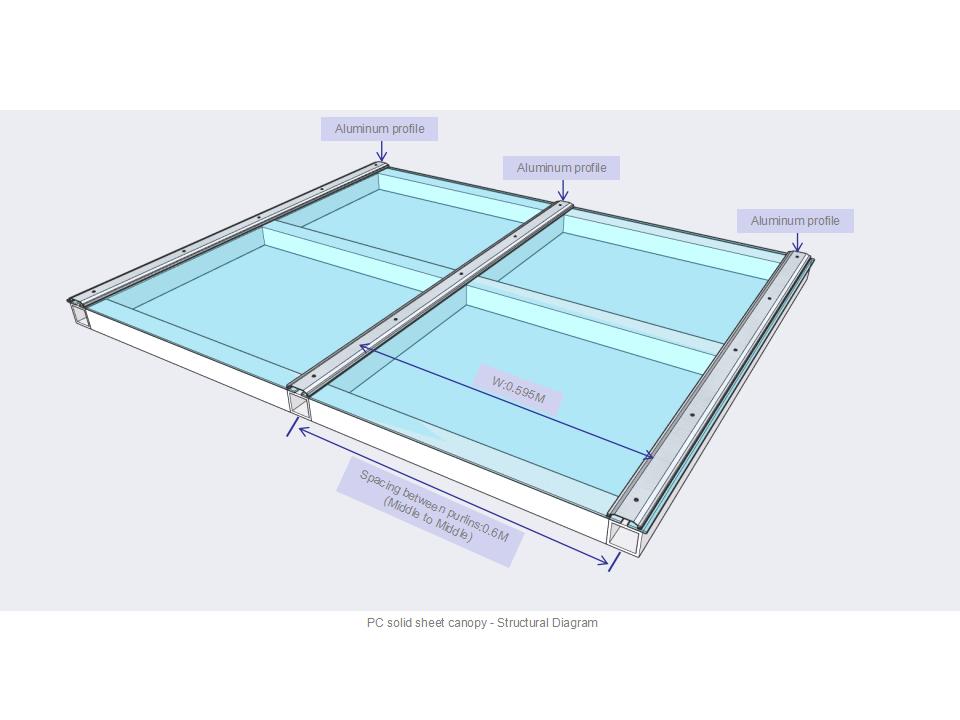
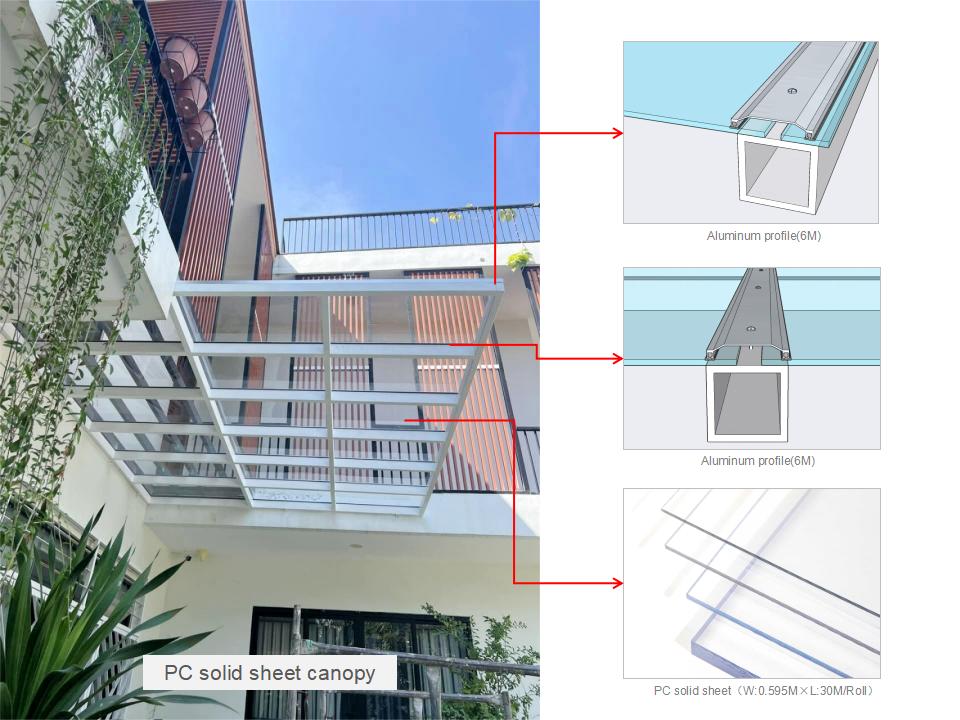
- Screw fixing on the sheet surface is not recommended for curved Polycarbonate Solid Sheet canopies. The bent Polycarbonate Solid Sheet will produce elastic force, and cracking easily occurs at the contact position between the sheet and screw holes under internal stress. Installation with special aluminum profiles (see the aluminum profile for Polycarbonate Solid Sheet joint) is recommended to completely avoid the problem of nailing on sheet surface.
- Only regular-brand neutral silicone sealant can be used for sealing. Acidic or alkaline sealants are strictly prohibited. Polycarbonate material cannot resist acid and alkali; contact with such substances will destroy the molecular chain structure of the sheet and eventually cause cracking.
- Rivets are forbidden for fixing Polycarbonate Solid Sheet.
- When installing with screws, buffer waterproof gaskets are essential accessories to prevent sheet breakage caused by over-tight locking of screws and sheets. Practical data shows improper operations of this kind rank the primary inducement for sheet cracking — when the frame spacing of the canopy is large and thin Polycarbonate Solid Sheet is selected, wind force drives the sheet surface to flap up and down, and cracks easily start at screw holes. More than 80% of cracks in past cases originate from screw holes.
Summary
Installing Polycarbonate Solid Sheet canopies is far more than simple screw fastening. Rough construction concepts must be abandoned before installation. The above analysis on material properties, crack causes and installation points is closely related to the service life of canopies. Relevant practitioners and users are advised to read carefully and implement strictly.
![[Calculator] PC Solid Sheet Weight & Volume](https://www.polyroofs.com/wp-content/uploads/2026/06/Polycarbonate-Solid-Sheet2.jpg)
![[Calculator] Wind and snow load](https://www.polyroofs.com/wp-content/uploads/2026/06/Polycarbonate-Canopy-Roof4.jpg)
![[Calculator] coefficient of linear expansion](https://www.polyroofs.com/wp-content/uploads/2026/06/Softlite-PC-Corrugated-Sheet1.jpg)